
Uncategorized
How to Find Drug Rehab in St. Louis, MO: What to Look For
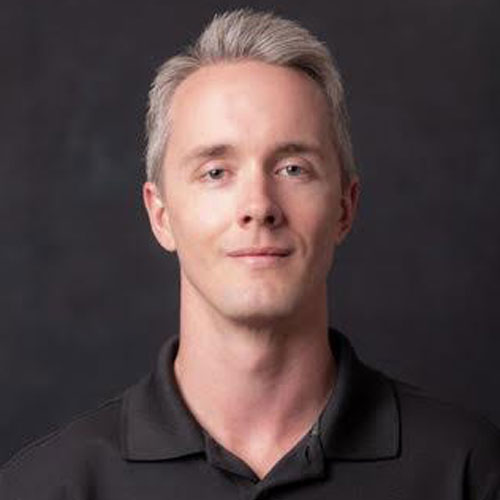
Written By
Uncategorized
Written By
If you are reading this, you are likely in one of the most difficult, overwhelming moments of your life. Whether you are looking for help for yourself or trying to find a lifeline for someone you love, the process of finding the right drug rehab in St. Louis can feel like navigating a maze in the dark.
As a licensed clinical social worker, I sit across from families every week who are exhausted, scared, and unsure of who to trust. The addiction treatment industry is complex, and unfortunately, not all programs are created equal. When you are making a decision that could save a life, you need to know exactly what separates a high-quality, evidence-based treatment center from the rest.
In Missouri, the need for effective treatment has never been more urgent. According to recent data from the Missouri Department of Health and Senior Services, our state has seen a devastating impact from the opioid crisis, particularly driven by synthetic opioids like fentanyl. But there is hope, and recovery is entirely possible when you find the right level of care.
Here is a clinician’s guide to finding drug and alcohol rehab in St. Louis, Missouri, and exactly what you should look for before making that first phone call.
The very first thing you should verify is whether a facility is properly accredited. Think of accreditation as the gold standard of safety and quality in healthcare.
In Missouri, a reputable treatment center should be licensed by the state, but they should also hold national accreditation from organizations like The Joint Commission (JCAHO) or CARF (Commission on Accreditation of Rehabilitation Facilities).
When a facility is Joint Commission accredited, it means they have voluntarily opened their doors to rigorous, unannounced inspections of their clinical practices, safety protocols, and patient outcomes. It is a massive undertaking that proves a facility is committed to the highest standard of medical and psychiatric care. If a rehab center does not prominently display their accreditations, consider it a red flag.
A beautiful facility means very little if the people providing the treatment are not highly qualified. Addiction is a complex brain disease that often co-occurs with mental health conditions like depression, anxiety, or trauma. Treating it requires a multidisciplinary team of licensed professionals.
When researching a St. Louis rehab, ask about their staff. You should be looking for licensed clinical social workers (LCSW) or licensed professional counselors (LPC) who lead individual and group therapy, a medical director (MD or DO) who oversees the medical aspects of care — especially if medication-assisted treatment (MAT) is needed — and registered nurses and psychiatric nurse practitioners.
Do not be afraid to ask, “Who will actually be running my loved one’s therapy sessions?” You want licensed professionals, not just behavioral techs, guiding the clinical work.
It is incredibly rare for substance use disorder to exist in a vacuum. According to the Substance Abuse and Mental Health Services Administration (SAMHSA), millions of Americans experience both a mental health disorder and a substance use disorder simultaneously.
If a treatment center only addresses the addiction and ignores the underlying anxiety, PTSD, or bipolar disorder, the chances of long-term recovery drop significantly. The substance use is often a coping mechanism for untreated psychological pain.
Look for a program in the St. Louis area that explicitly advertises Dual Diagnosis or co-occurring disorder treatment. This means their therapists are trained to treat the whole person, addressing the root causes of the addiction alongside the behavioral symptoms.
Recovery does not happen in 30 days. It is a lifelong process that requires ongoing support. A quality rehab center will not just treat you and send you out the door; they will offer a structured continuum of care that steps down in intensity as you gain stability.
For many people in the St. Louis and Bridgeton areas, an outpatient model is the most effective and accessible way to get help. Look for facilities that offer a Partial Hospitalization Program (PHP) — intensive, full-day treatment that allows you to return home at night — as well as an Intensive Outpatient Program (IOP) with flexible scheduling that allows you to maintain work or family commitments while receiving robust clinical support. Equally important is a clear aftercare plan: a roadmap for what happens after formal treatment ends, including alumni groups and ongoing therapy connections.
The financial aspect of rehab is often the biggest barrier for families. The good news is that under the Affordable Care Act, mental health and substance use disorder services are considered essential health benefits.
A trustworthy treatment center will have a dedicated admissions team that handles the insurance verification process for you, transparently and without pressure. Before you commit, they should be able to tell you exactly what your out-of-pocket costs will be.
Look for facilities that are in-network with major commercial carriers — like Aetna, Blue Cross Blue Shield, Cigna, and UnitedHealthcare — or that offer specialized coverage like Tricare for our veterans and military families.
Making the decision to seek treatment is an act of profound courage. The process of finding the right drug rehab in St. Louis does not have to be something you navigate alone.
At Engage Wellness Missouri, our team in Bridgeton is built on the foundation of clinical excellence, empathy, and evidence-based care. We understand the landscape of addiction in our community, and we are here to help you find the right path forward — even if that path ultimately leads you to a different facility that better fits your specific needs.
If you are overwhelmed and just need someone to talk to about your options, please reach out. We are here to listen, to assess, and to help you take that crucial first step toward healing.
References
Missouri Department of Health and Senior Services. “Drug Overdose Dashboard.” https://health.mo.gov/data/opioids/
Substance Abuse and Mental Health Services Administration (SAMHSA). “Co-Occurring Disorders.” https://www.samhsa.gov/
U.S. Centers for Medicare & Medicaid Services. “Mental health & substance abuse coverage.” https://www.healthcare.gov/



© 2025 Engage Wellness Acton, MO. All Rights Reserved | SEO by DIGITECH | Sitemap | Privacy Policy
© 2025 Engage Wellness Acton, MO. All Rights Reserved | SEO by DIGITECH | Sitemap | Privacy Policy