
Substances
Are Muscle Relaxers Addictive? Important Information to Stay Safe

Medically Reviewed By

Written By
Last medically reviewed : October 27, 2025
Updated On : October 27, 2025
Substances
Medically Reviewed By
Written By
Last medically reviewed : October 27, 2025
Updated On : October 27, 2025
Doctors prescribe muscle relaxers to help treat conditions such as muscle spasms and other musculoskeletal pain [1]. There are several types of muscle relaxers that make the body react in different ways. Due to the way muscle relaxers make people feel, addiction can form in some people taking certain types of medication. The need to forget about the pain and be in a state of euphoria can lead to physical dependence and addiction.
Besides the risk of addiction, some may also develop withdrawal symptoms when they develop a dependence on the drug and then suddenly stop taking it. These withdrawal symptoms can be painful and sometimes even life-threatening.
If you or a loved one is prescribed muscle relaxers, you should be aware of the warning signs of addiction and the types of treatment available.
Certain muscle relaxers do have the potential to become addictive.[2] These include carisoprodol and diazepam. These drugs can also cause withdrawal symptoms if you start depending on them to feel good and stop taking them. People who have a personal or family history of substance use disorder are generally told to avoid muscle relaxers.
Muscle relaxers are used to reduce muscle tension, stiffness, and pain. The most commonly prescribed medications are known to suppress the central nervous system. [3] These types of medications work in the brain and nervous system, so the muscles can relax and take a timeout.
Doctors can prescribe muscle relaxers on a short-term or long-term basis. Short-term muscle relaxers can treat acute pain caused by an injury or strain. Some people may be prescribed muscle relaxers for other conditions such as multiple sclerosis, cerebral palsy, or spinal cord injuries, tension headaches, and fibromyalgia. [4]
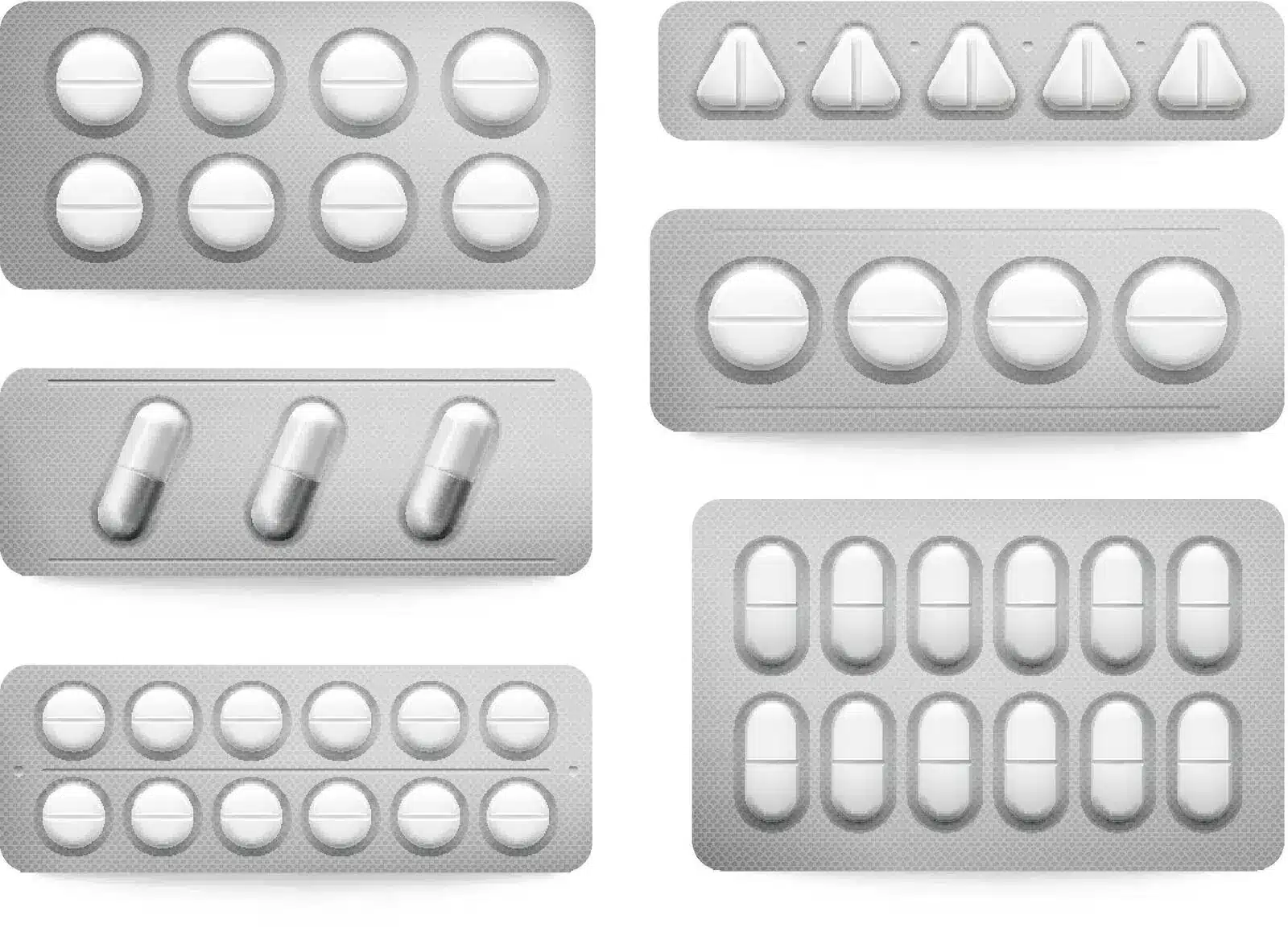
Not all muscle relaxers are made the same. Different types of muscle relaxers are used to treat various conditions. [5] Some medications are known to produce more side effects, while others are milder on the body.
These are some of the most commonly prescribed muscle relaxers on the market:
Cyclobenzaprine (Fexmid®, Flexeril®)
This is the most commonly prescribed muscle relaxer. [6] It is an inexpensive generic medication that can come with side effects, such as drowsiness. Some doctors will prescribe a lower dosage or use an extended-release formula over an immediate-release version.
Methocarbamol (Robaxin)
Methocarbamol is used to treat back pain. It is less expensive than some other options on the market and is less likely to make you sleepy.
Carisoprodol (Soma)
When evaluating addictive muscle relaxers, carisoprodol makes the top of the list as it has the potential for misuse. [7] If you are prescribed this medication, it is recommended to use it only for 2-3 weeks due to its addiction potential.
Metaxalone (Skelaxin)
This muscle relaxer is known to have the fewest side effects and shouldn’t make you as sleepy as some others.
Tizanidine and Baclofen
Both of these drugs are used to help people with multiple sclerosis, cerebral palsy, and spinal cord injury deal with spasticity. When people are dealing with spasticity, the muscles contract and resist lengthening. This can make it difficult to move.
Muscle relaxers should only be used as prescribed and for short periods. [8] Do not take more of your medication and do not take it more often. Doing so can lead to serious side effects. Each patient’s dosage will differ. Be sure to follow your doctor’s orders so you get the proper dosage and don’t form a physical dependence.
It’s also important to remember that since muscle relaxers are prescribed drugs, they are designed to treat specific pain and should not be shared. Anyone using them, or other prescription medications, who does not medically need them is putting themselves at risk of danger and possible addiction.
When an addiction to muscle relaxers forms, there are several warning signs to look for. Recognizing signs early can lead to earlier intervention and addiction treatment.
These are some things to look for:
If you know someone who is taking muscle relaxers and begins to exhibit some of these signs, talk to them about seeking treatment.
Risks associated with taking muscle relaxers can vary from person to person because everyone responds differently to the medication. Side effects also depend on the type of medication that is taken.
Common side effects of taking muscle relaxers may include: [9]
Some people can also experience more serious side effects, like blurred vision.
Some people take muscle relaxers with other drugs to enhance their feelings of euphoria and to escape their current situation.
Misusing muscle relaxers can lead to an overdose that can result in life-threatening conditions such as: [10]
If any of these signs occur, seek immediate medical attention.
Treatment options for muscle relaxer addiction can vary from patient to patient, depending on the medication and severity of the addiction.
You will typically undergo an assessment first to determine what type of treatment you may need. A supervised detox may also be necessary to help manage withdrawal symptoms. Trying to detox on your own can be difficult and sometimes dangerous. During detox, the harmful substance is removed from the body with medical support on hand to deal with withdrawal symptoms.
Counseling and therapy are also typical elements of addiction therapy for muscle relaxer addiction. Individual and family therapy are both sometimes needed.
Some people also find support groups helpful because they can share stories with people who are going through similar experiences. They can also provide helpful advice and encouragement along the journey.
Holistic approaches such as mindfulness and practicing yoga can also help those with a muscle relaxer addiction. They can help to reduce stress and support mental health.
If you or a loved one has been taking muscle relaxers and believes a drug addiction has formed, you can seek treatment. Different types of help are available to help you get back on track and live a healthy life.
Some prescription muscle relaxers can make you sleepy because of the way they affect the central nervous system. Always be careful about driving a car or operating heavy machinery when taking these medications.
Typically, you can feel the effects of a muscle relaxer in less than one hour after taking it. The effects can last for four to six hours. But, because muscle relaxers can lead to drowsiness and have sedative effects, they can interfere with daily functions. This is why it’s often recommended to take them at night.
There are no over-the-counter muscle relaxers in the United States. Some OTC medications can help with muscle soreness, such as nonsteroidal anti-inflammatory drugs and acetaminophen.
Muscle relaxers are commonly prescribed to treat acute and chronic back pain. [11] Many people deal with low back pain, which can be treated with muscle relaxers.
Yes, muscle relaxers should only be taken for the length of time prescribed. Taking them longer or when they are needed for their intended use can lead to addiction.
Muscle relaxers can cause some heart-related side effects. [12] People with certain heart conditions may put themselves at risk when using muscle relaxers. If you have heart problems, always discuss your medical history with your doctor before taking muscle relaxers.
[1] [2] [4] [9] [10] [11] [12] professional, C. C. medical. (2025, July 15). Muscle Relaxers. Cleveland Clinic. Retrieved from https://my.clevelandclinic.org/health/treatments/24686-muscle-relaxers on August 8, 2025.
[3] [11] U.S. National Library of Medicine. (n.d.-a). Cyclobenzaprine: Medlineplus drug information. MedlinePlus. Retrieved from https://medlineplus.gov/druginfo/meds/a682514.html on August 8, 2025.
[5] [6] [7] Muscle Relaxers: Which medication is the most effective? – goodrx. (n.d.-h). Retrieved from https://www.goodrx.com/classes/muscle-relaxants/best-muscle-relaxants-over-the-counter-prescription-medications on August 8, 2025.
[8] Muscle Relaxers: Which medication is the most effective? – goodrx. (n.d.-h). Retrieved from https://www.goodrx.com/classes/muscle-relaxants/best-muscle-relaxants-over-the-counter-prescription-medications on August 8, 2025.

© 2025 Engage Wellness Acton, MO. All Rights Reserved | SEO by DIGITECH | Sitemap | Privacy Policy
© 2025 Engage Wellness Acton, MO. All Rights Reserved | SEO by DIGITECH | Sitemap | Privacy Policy